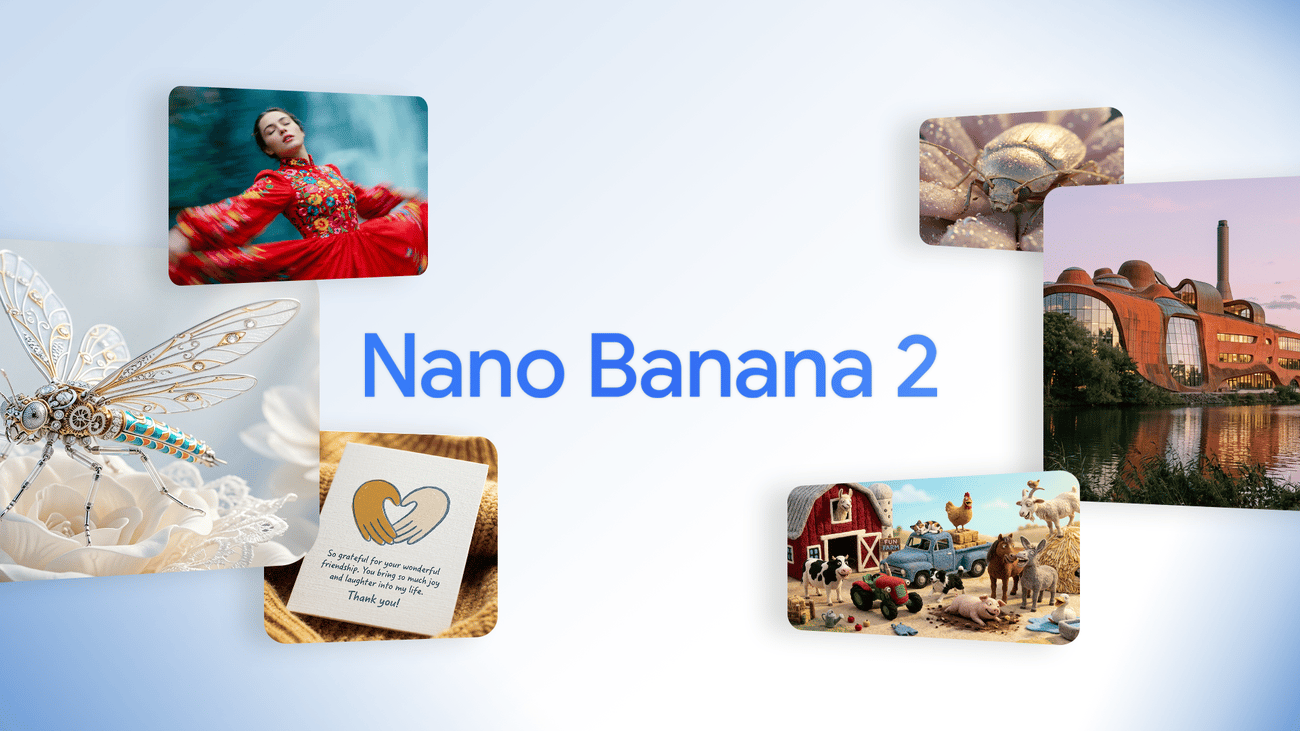
Nano Banana 2 is Google DeepMind's image generation model that pairs Nano Banana Pro's output quality with Gemini Flash's speed. It ships across the Gemini app, Google Search, AI Studio and the Gemini API, adds reasoning levels and doodle editing, and comes in considerably cheaper than the Pro model it replaces on most surfaces.
Advanced features at unmatched speeds
Nano Banana 2 is already available in Gemini and Google AI Studio. It combines broad world knowledge with high image quality, bringing capabilities previously exclusive to the Pro model into a faster, cheaper tier:
- Real-world knowledge: Gemini's knowledge base coupled with real-time web-sourced data for precise subject depiction.
- Text rendering and translation: Accurate text inside images, with translation and localisation for global reach, sharper and more reliable than before.
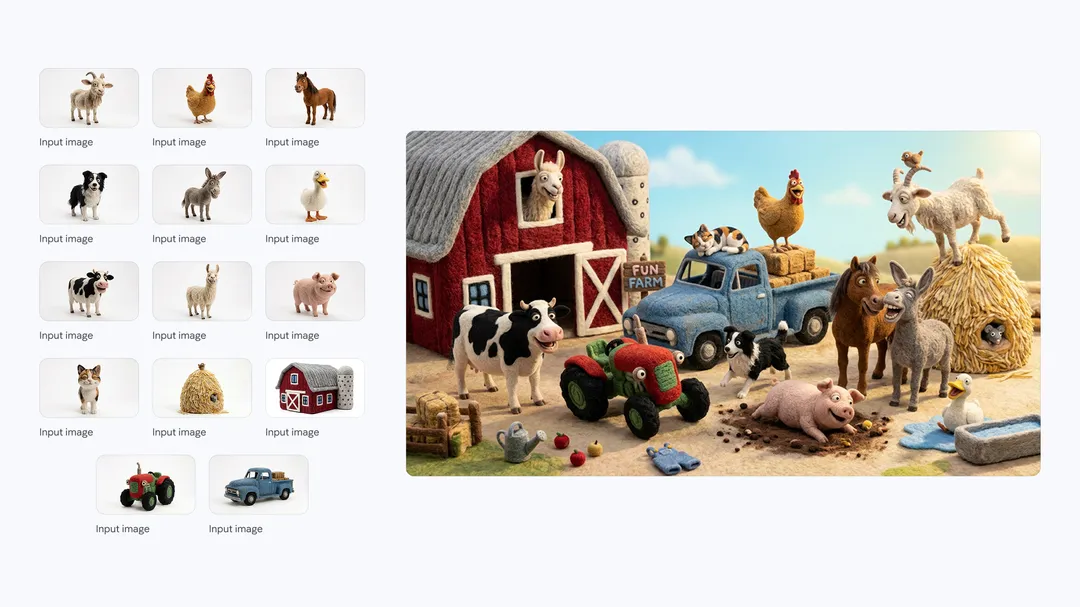
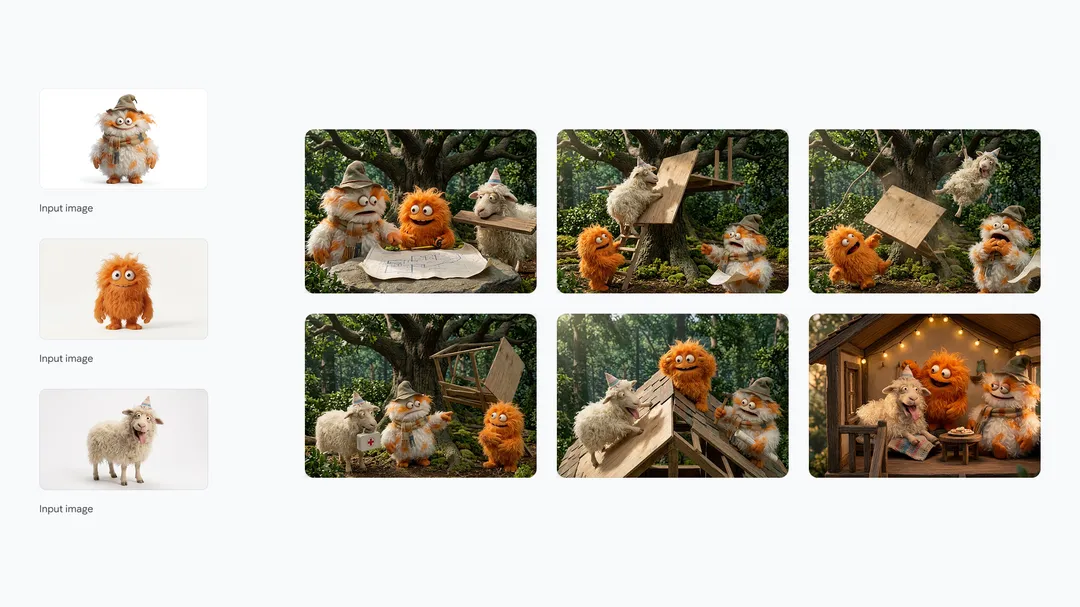
- Subject consistency: Identity and fidelity maintained across multiple characters and objects, which is what makes cohesive storytelling possible at all.
Beyond the core capabilities, Nano Banana 2 ships with new controls and editing tools:
- Reasoning levels: Tune how deeply the model interprets your prompt, trading latency for more predictable, intentional output.
- Output format selection: Choose image-only or combined image and text responses, depending on your workflow.
- Doodle editing: Click into a generated image, sketch freehand in any area, add a text prompt, and let the model incorporate the change, bridging hand-drawn intent with model precision.
- Faster generation: Reduced wait times across the board, which matters more than it sounds. Iteration count is usually what determines whether you land the image you actually wanted.
Perhaps most significantly, Nano Banana 2 is considerably more affordable than the Pro model, which brings flagship-level image generation within reach of use cases that could never justify Pro pricing.
A wealth of creative control
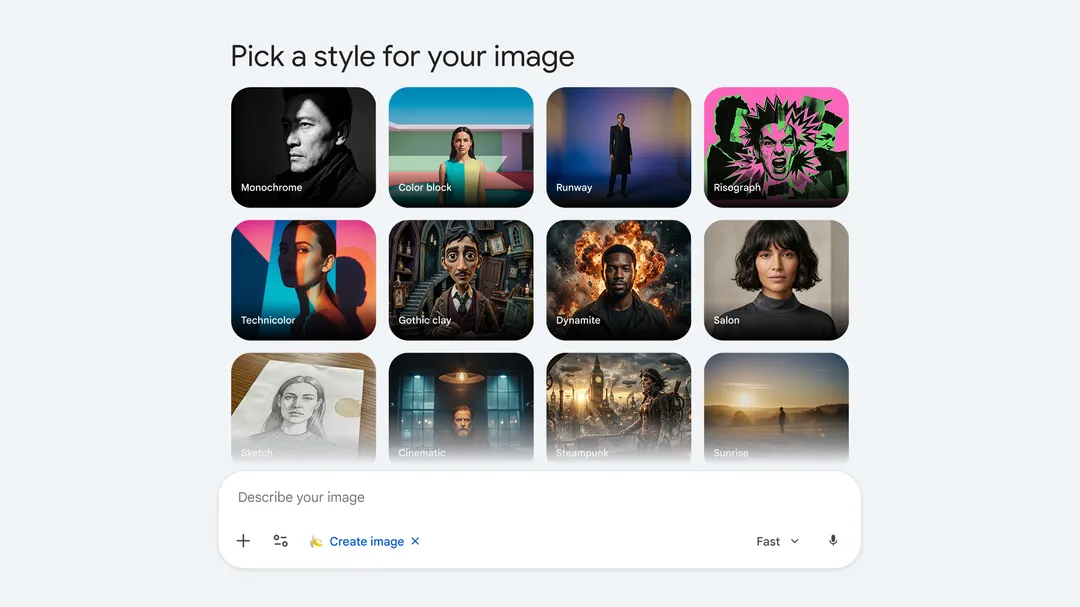
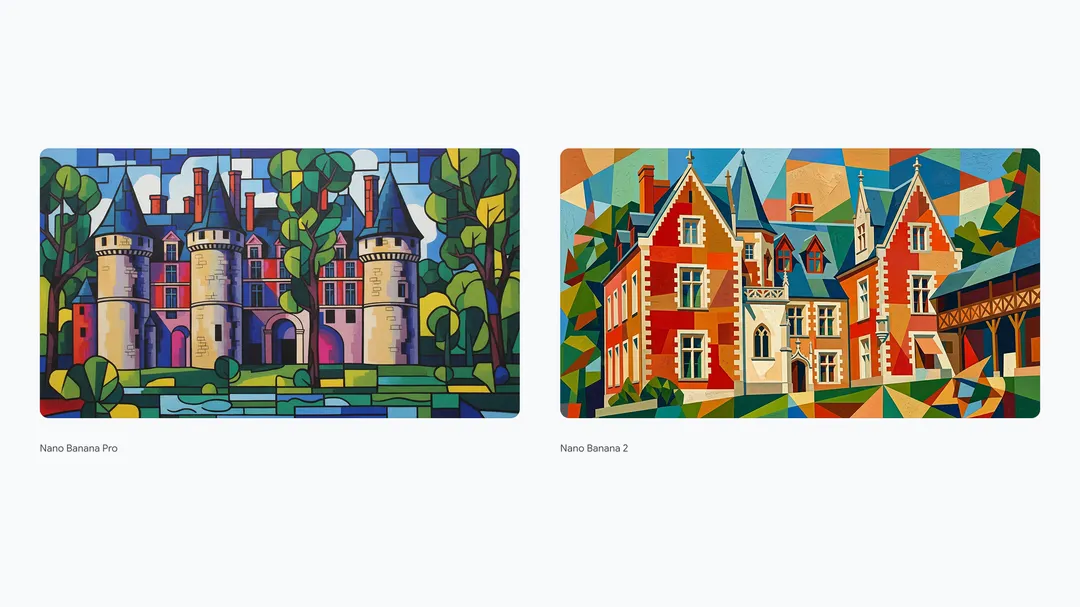
The model targets rapid, precise instruction adherence, so nuanced ideas survive the trip from prompt to output. From photorealistic imagery to vibrant stylistic renderings, it delivers:
- Vivid visual quality: Lighting, textures and fine detail at Flash-tier speeds.
- Full control of production specs: A range of aspect ratios and resolutions, so visuals come out sized for their destination instead of needing a crop pass.
Where it fits, and what to check
Speed and price are what make this release interesting, and both change how you should use the model rather than only what it costs. A cheap, fast image model rewards a different workflow: generate more candidates, keep fewer, and treat each output as disposable rather than precious.
Three things are worth verifying with your own prompts before you commit a pipeline to it:
- Does text rendering hold at your specifics? In-image text is the capability that most often degrades on brand names, long strings and non-Latin scripts. Test yours, not the demo's.
- How consistent is subject consistency? If you need the same character across a dozen images, generate that dozen. Consistency is easy to satisfy across two images and hard across twenty.
- Does the reasoning level pay for itself? Higher reasoning costs latency. Compare outputs at each level on your real prompts and find out whether the difference shows up in your use case or only in the examples.
For the adjacent moving-image question, our overview of AI video generation in 2026 covers how the video models compare, and Google's music model gets the same treatment in our piece on Lyria 3 in the Gemini app.
Expanding across Google's ecosystem
Nano Banana 2 is being deployed across Google platforms:
- Gemini app: Replacing Nano Banana Pro in the Fast, Thinking and Pro models, with Pro users retaining access for specialised needs.
- Google Search: Integrated into AI Mode and Lens, across 141 countries and supporting eight new languages.
- AI Studio and API: Available in preview for testing through AI Studio and the Gemini API.
Provenance and verification
SynthID is coupled with C2PA Content Credentials, so outputs carry both an imperceptible watermark and standardised provenance metadata. Worth being precise about what that buys: it establishes that an image came from Google AI and records how it was made. It does not by itself settle whether you may use a given output commercially. That is a licensing question, governed by the terms of the tier you generated it on, and provenance metadata grants no rights on its own.
As Nano Banana 2 rolls out, its applications span creative industries, advertising and educational visualisation. Google's announcement carries the full feature list.