About Workflow Optimization
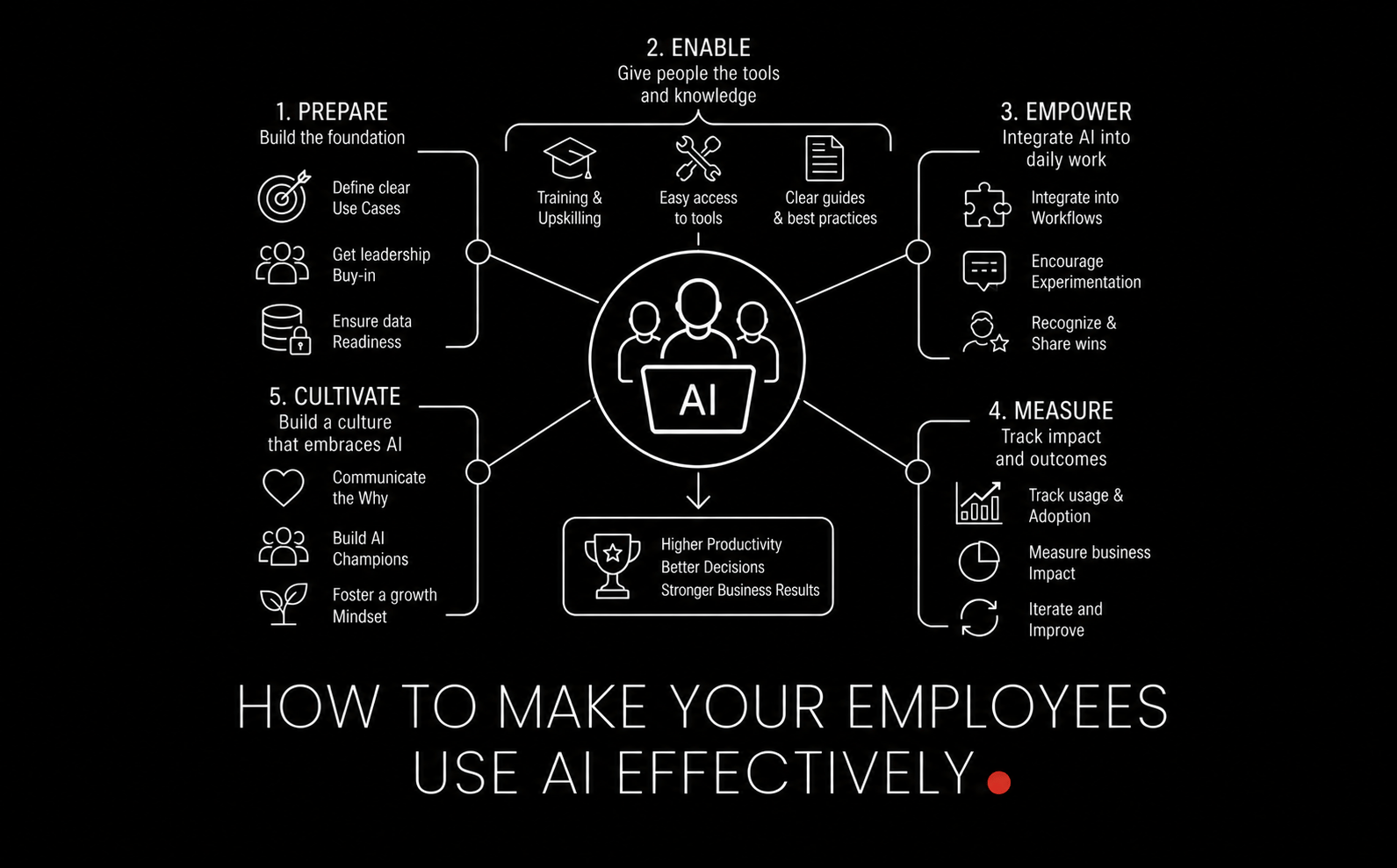
The hardest part of applying AI to a team is rarely the model. It is that a workflow which worked without it has to change shape to accommodate it, and people have to be persuaded that the change is worth making. This category covers that seam: how to structure an AI-assisted workflow, how to get colleagues to use the tools they already have licences for, and how to build the harnesses and skills that turn a general-purpose assistant into something that knows your codebase and your conventions.
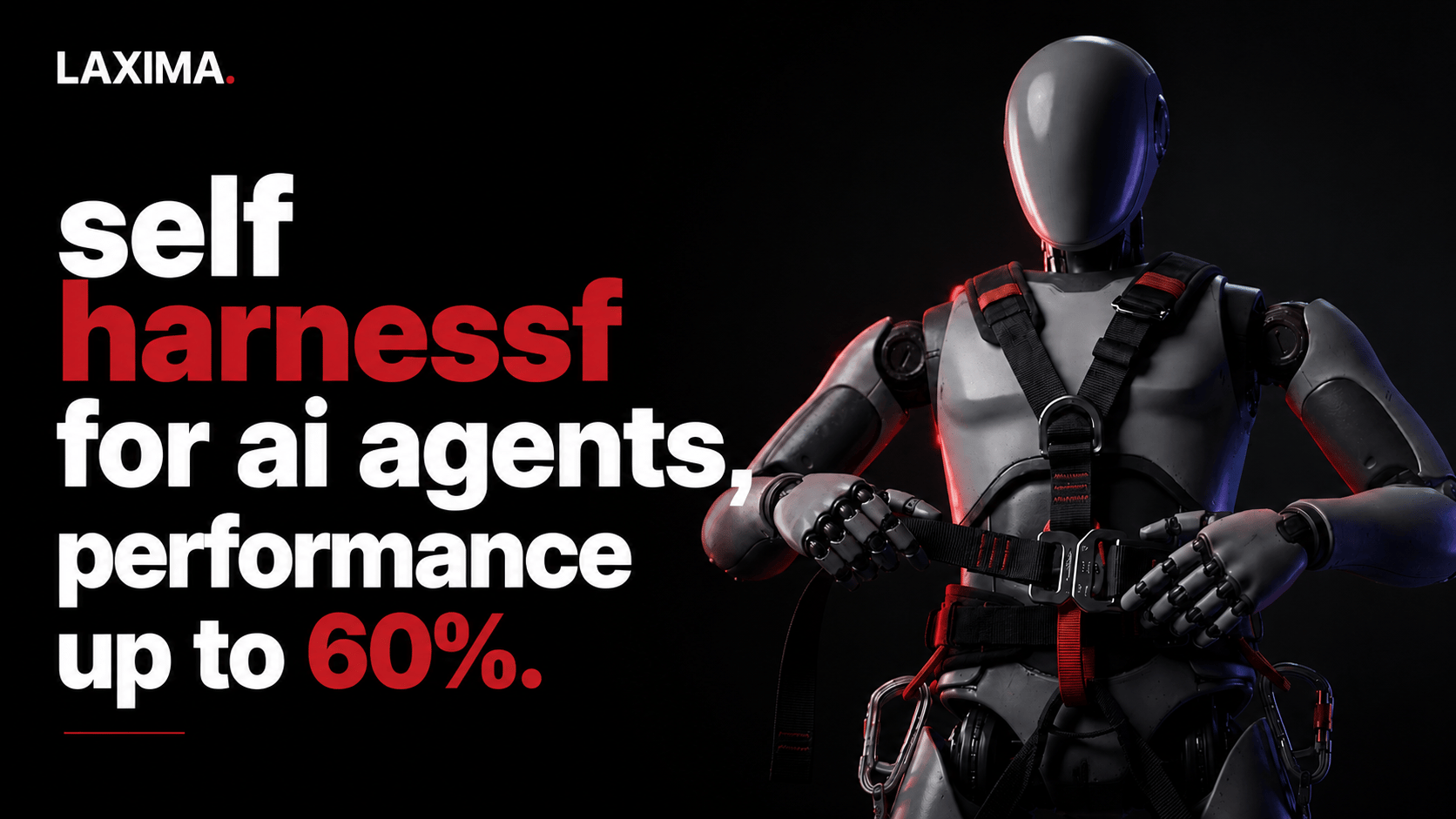
The recurring theme is that generic AI adoption advice does not survive contact with a specific team. What works is narrowing the tool to a task — a defined harness, a checked-in set of instructions, a review step someone owns — so that the output is predictable enough to depend on. Several articles here are effectively field notes on doing exactly that, including on this site.
This is a smaller category than the technology or industry ones, and deliberately so: process advice ages badly and we would rather publish four pieces that still hold than twenty that read as filler.
Questions this category answers
- How to get a team to actually use the AI tools it is already paying for
- What a task-specific harness or skill adds over a bare chat interface
- Which review and verification steps an AI-assisted process still needs
- How to tell an adoption problem from a tooling problem
Browsing more widely? All articles · AI Signal news feed · Free tools
 LAXIMA Team